UI without UX rarely performs well because a website can look polished and still feel confusing to users.
UI/UX Website Design Services for Business
We create interfaces where not only visuals matter, but also interaction logic, mobile UX, trust, CTA placement and the user's path to inquiry or purchase.
Low-friction UXUI built for conversionMobile-first logic

What matters in UI/UX website design
UI/UX is not decoration. It is about usability, decision flow and making the interface work for business goals.
Strong UX shortens the path to action and helps users understand the offer faster.
Mobile UX directly affects inquiries because a major part of traffic comes from smartphones.
A business interface should support conversion, clarity and trust, not just visual style.
Who UI/UX website design is for
This service is especially valuable where a page must guide users clearly toward inquiry, purchase or another key action.
Service businesses
Law firms, consultants, logistics, clinics and other service niches need clear structure, trust and strong CTA logic.
Ad landing pages
When traffic comes from ads, UX must explain the offer fast and move users toward action with minimal friction.
Corporate websites
Multi-page websites need better navigation, page hierarchy and contact flow.
E-commerce projects
Store UX strongly affects search, filters, product cards, cart flow and checkout completion.
Web apps
Complex products need clear interaction logic, predictable states and consistent screens.
CRM dashboards
Internal tools depend on speed, clarity and interface decisions that reduce mistakes in daily use.
What strong UI/UX gives your business
Good interface design improves more than appearance. It affects conversion, perception and user confidence.
Higher conversion
Users take action more easily when the offer is clear and CTA points are well placed.
Better readability
A strong content hierarchy makes the page easier to scan and understand.
Simpler action flow
Good UX removes unnecessary steps and keeps users moving toward the goal.
Less friction in forms
Clear fields, validation and states help users finish actions more often.
Stronger mobile experience
Mobile-first design keeps key actions visible and usable on smaller screens.
More trust in the brand
A clean and logical interface makes the business feel more serious and reliable.
What is included in UI/UX design services
We work not only on visuals, but also on interface logic, interaction scenarios and development-ready design decisions.
User scenario analysis
We define what users should see first and how they move toward the final action.
Action mapping
We build the page structure around priorities and conversion logic.
CTA refinement
Buttons and action points are designed around actual user behavior.
Block logic
We structure the page around offer, trust, objections and action.
Interface element design
We design buttons, fields, cards, menus and other interactive parts clearly and consistently.
Mobile adaptation
We adjust priorities and interaction flow for smaller screens.
Element states
We prepare active, hover, disabled, success and error states for clean implementation.
Developer handoff
We prepare the logic and layouts so frontend implementation keeps the intended UX.
What strong UI/UX design should include
A strong interface is not a random set of nice-looking blocks. It is a consistent system built around usability and action.
A strong first screen
Users should understand the offer and relevance in the first few seconds.
Clear navigation
Menus, anchors and page sections should help users move without confusion.
Visible CTA
Call-to-action points should appear where users are ready to act.
Form logic
Forms should stay short, clear and easy to complete.
Minimal extra steps
Every unnecessary action increases drop-off and lowers conversion.
Mobile-friendly structure
The interface must remain focused and usable on smartphones.
Portfolio cases where UI/UX supports business goals
These examples show how interface structure and user flow improve trust, clarity and inquiry logic.
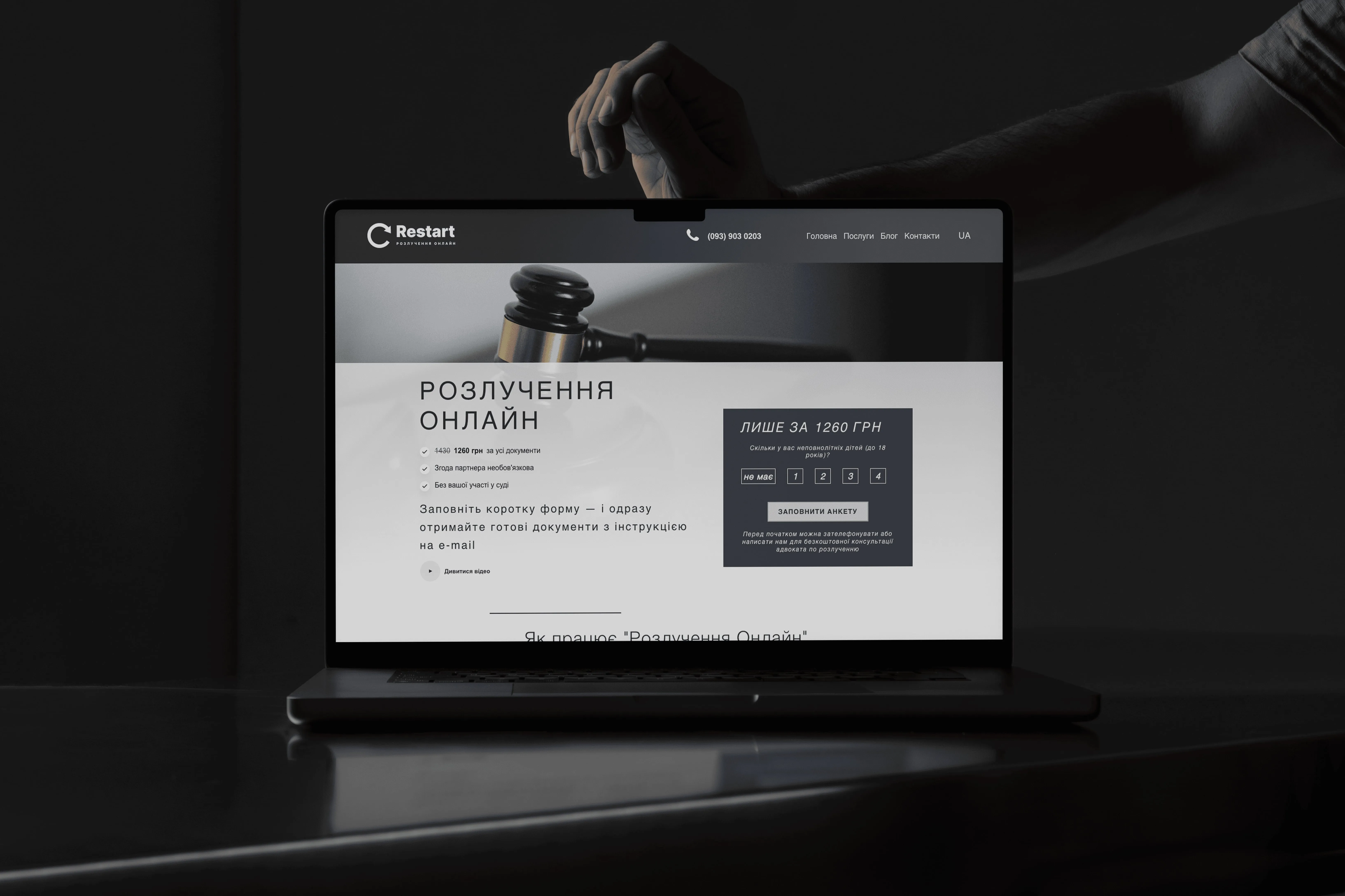 Legal niche
Website for a lawyer
Clear structure, strong trust signals and visible action points for potential clients.
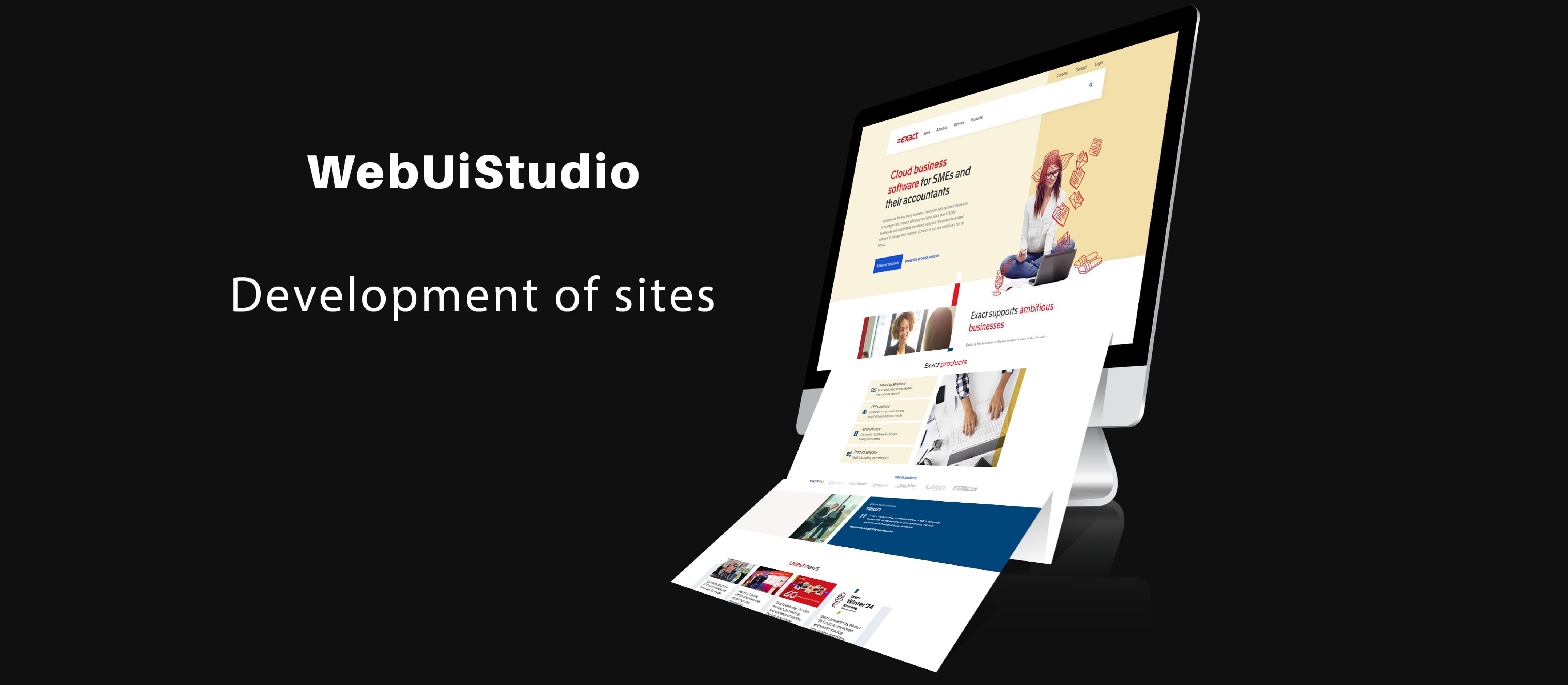 B2B services
Website for an accounting company
Clean hierarchy, clear service explanation and a better path to inquiry.
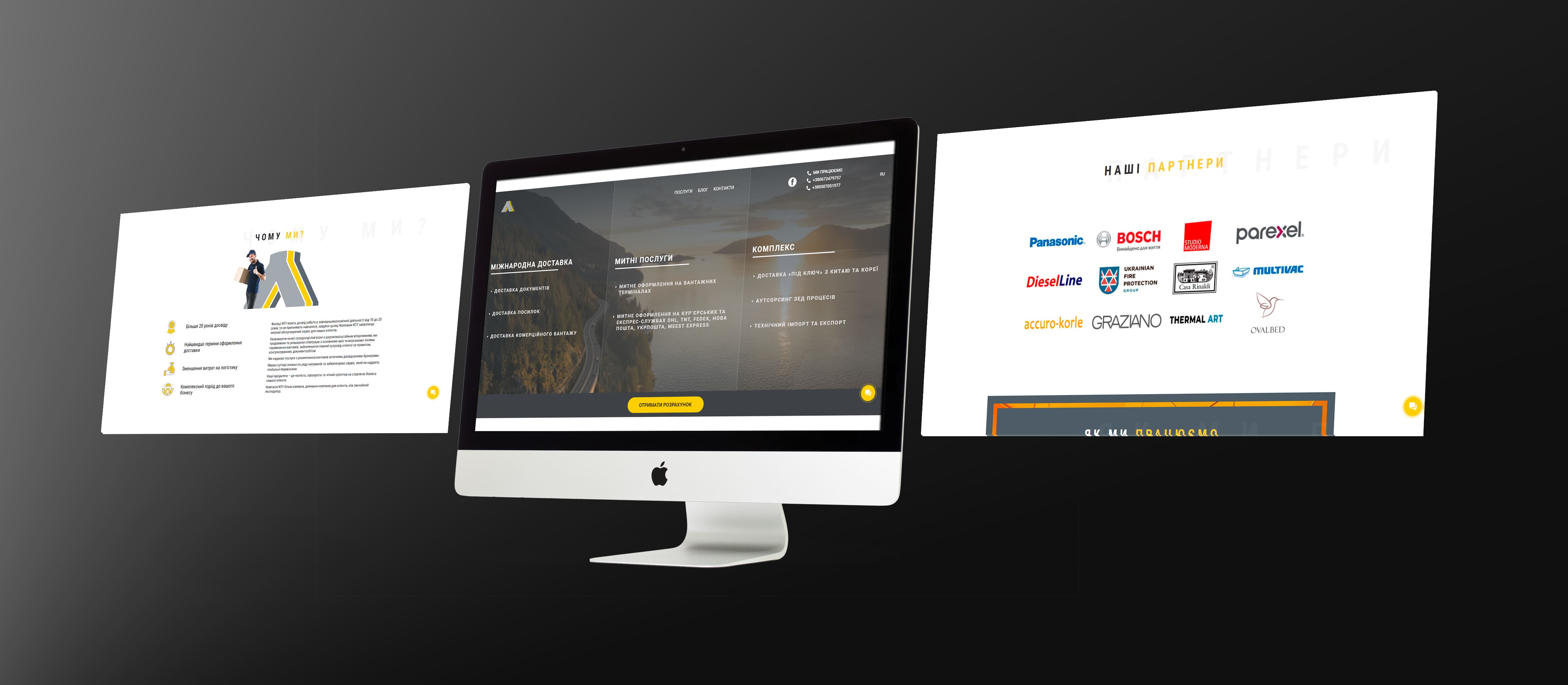 Logistics
Website for a transportation company
Commercial UX built around trust, service clarity and contact flow.
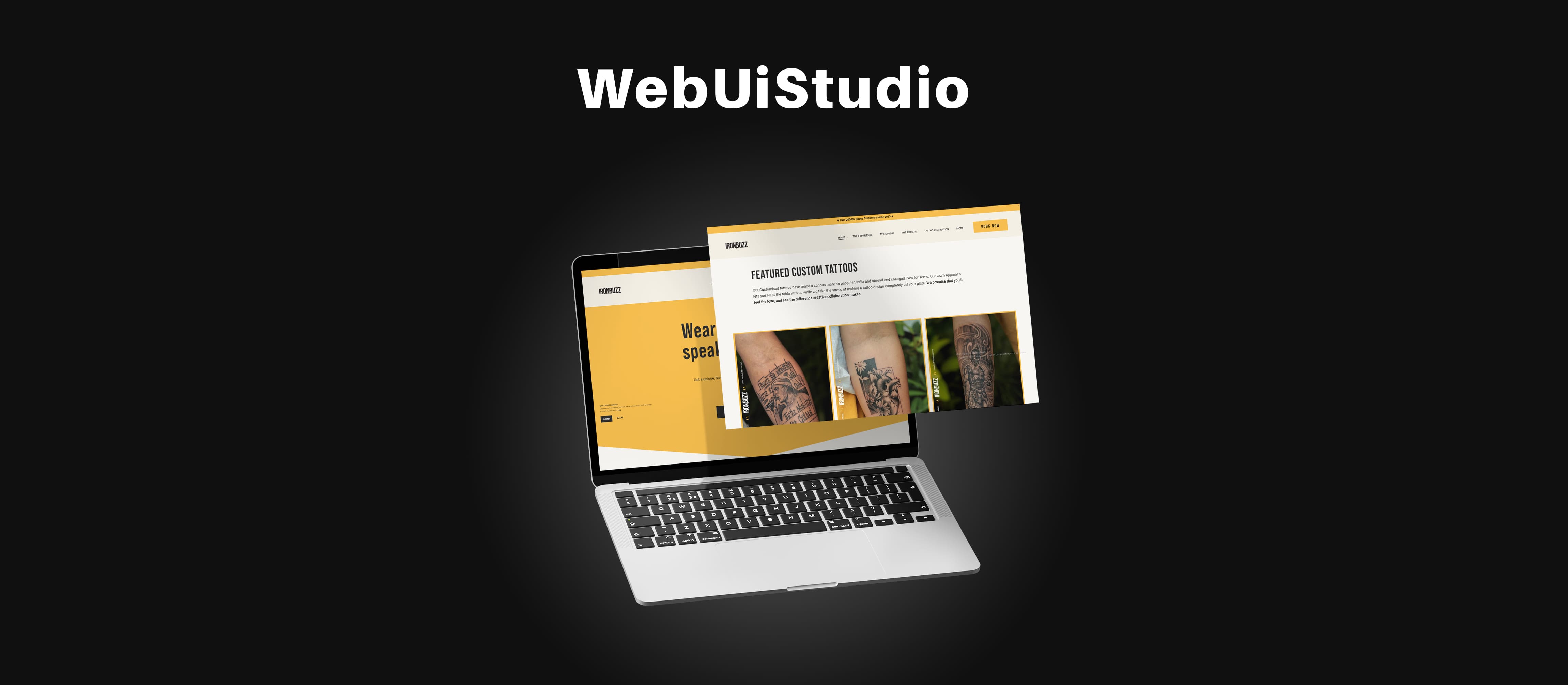 Service business
Website for a tattoo studio
A more creative project where UI/UX still supports booking flow and clear decisions.
How the UI/UX design process works
We build the process so the interface looks strong and also works clearly for users and developers.
Brief
We define goals, business context, audience and expected user actions.
Behavior research
We study how users decide and where friction usually happens.
User flow
We map the path from first contact to inquiry, purchase or another goal.
Wireframe
We shape the structure before visual decisions take over.
UI decisions
We develop typography, layout, buttons, fields and interface hierarchy.
Mobile adaptation
We refine interaction flow for smartphones and smaller screens.
Developer handoff
We prepare final layouts and notes for clean implementation.
UI/UX website design: why it directly affects results
UI/UX website design shapes how quickly users understand the offer, trust the brand and move toward inquiry or purchase. That is why interface design should start from user behavior and business logic, not from visual decoration alone.
What UI/UX website design really means
UI covers visual interface elements such as buttons, forms, typography, cards and layout. UX covers usability, user flow, interaction logic and the ease of completing actions.
When UI and UX work together, the website feels clearer, more professional and easier to use. For a broader service overview, see our website design page.
- better first impression
- faster offer understanding
- higher trust
- stronger action flow
Why a beautiful mockup is not enough
A visually polished website can still perform poorly if navigation is confusing, CTA placement is weak or forms create friction.
Good-looking pages do not automatically create results. Strong UX does.
How UX affects conversion
Conversion improves when people can quickly understand the offer, see trust elements and complete the next step without effort.
For ad-driven projects and single-action funnels, UX is tightly connected to the decision to order a landing page.
Which interface mistakes lower inquiries
Typical problems include overloaded first screens, weak hierarchy, hidden CTA, complex forms and poor mobile adaptation.
When users need to think too much, they usually leave instead of converting.
Why mobile UX cannot be ignored
For many businesses mobile traffic is already dominant, so weak mobile UX directly means lost leads.
Mobile-first thinking helps keep the interface focused and usable where it matters most.
Why it is worth designing UI/UX correctly from the start
Clear UI/UX reduces costly rework later and gives development a stronger base.
If a business already has a website but its structure and interaction are no longer effective, the right next step is often website redesign.
FAQ
What is the difference between UI and UX?
UI is the visual interface layer, while UX covers usability, flow, interaction logic and the path to action.
Does small business need UI/UX design?
Yes. Even smaller websites lose inquiries when structure is weak or the interface feels confusing.
Is mobile version included?
Yes. Mobile adaptation and mobile UX thinking are part of the process.
Can UI/UX be improved without a full redesign?
Yes. We can improve key pages, flows, forms or interface blocks without rebuilding the whole website.
Do you prepare interface logic for developers?
Yes. We provide layouts, states and structure so implementation stays consistent.
Is UI/UX only for web apps?
No. It is critical for landing pages, corporate sites, online stores and user dashboards as well.
Need UI/UX design that looks modern and actually drives action?
Tell us about your website or product and we will suggest the right interface logic, structure and realistic work plan.
Related website design services
Explore related pages about website design, redesign, UI/UX and commercial page structure.